How to Choose a Hydraulic Baler by Capacity and Material
Start with material type, hourly output, bale weight target, floor space and tying method before comparing hydraulic baler prices or model names.
News and guide content is sorted for industrial recycling buyers: start with buying criteria, capacity and model comparison, then review material applications, automation choices, installation and maintenance topics.
Start with material type, hourly output, bale weight target, floor space and tying method before comparing hydraulic baler prices or model names.
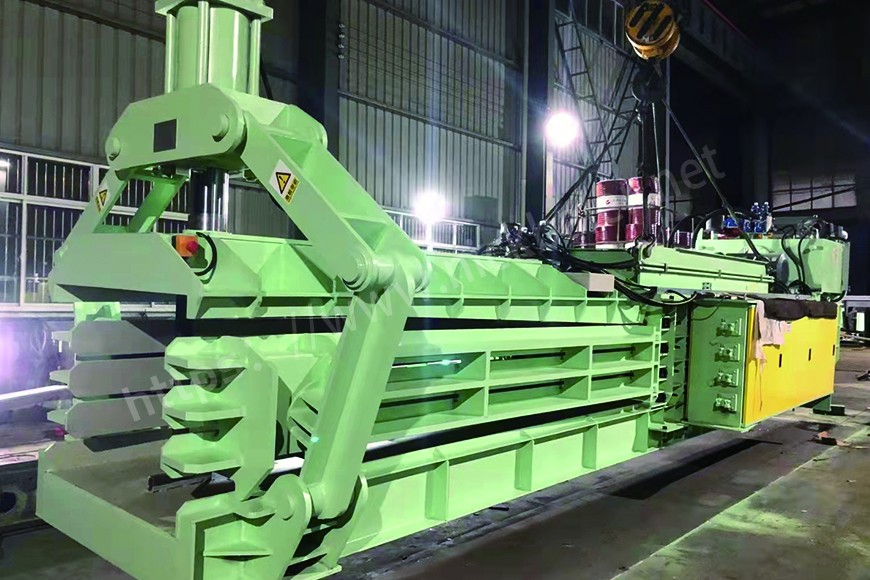
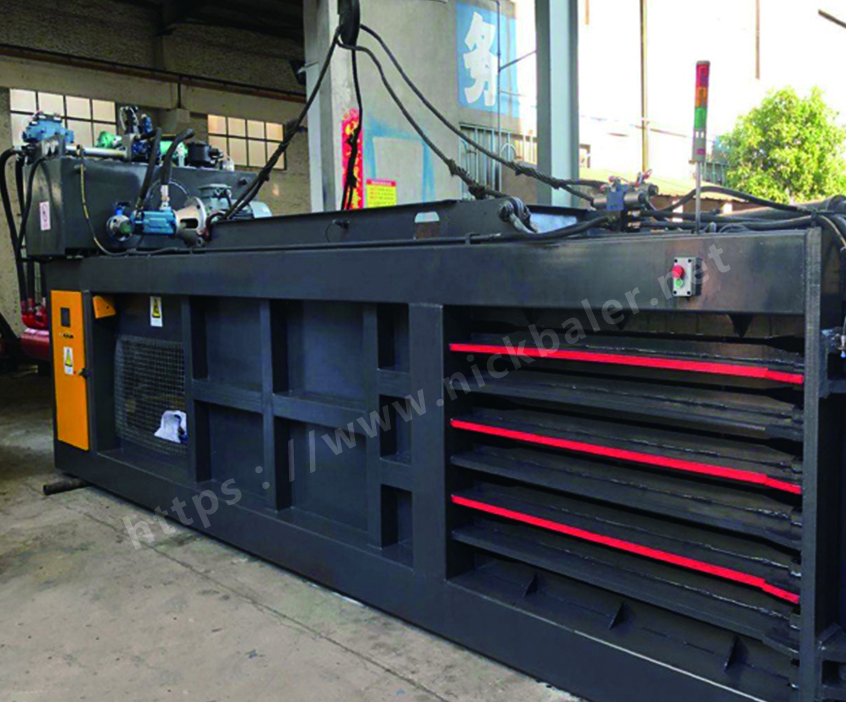
Compare NKW model ranges from 6-8 T/H to 10-15 T/H for waste paper, cardboard, OCC and packaging scrap compression.
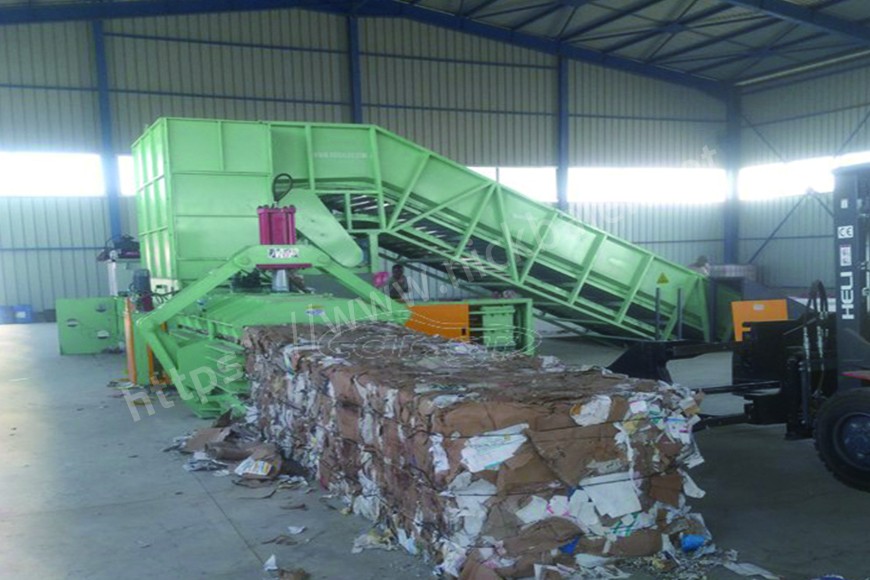
Cardboard baler selection depends on carton volume, bale size, storage pressure, transport cost and whether automatic tying is required.
Plastic bottles and film need attention to rebound, feeding method, bale stability and tying strength when choosing a baler.
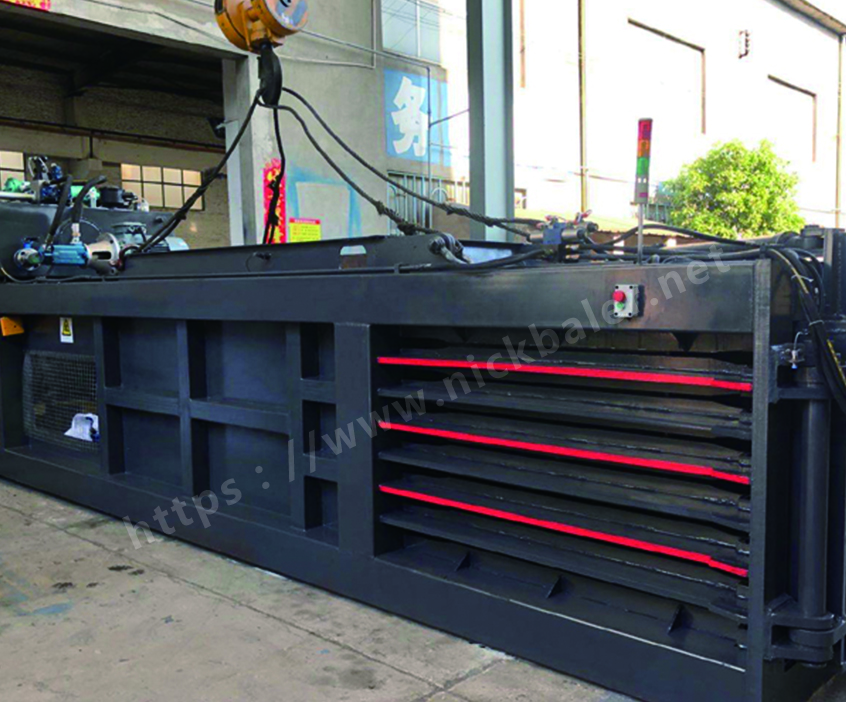
Automatic tie balers fit continuous high-volume lines, while semi-automatic balers can be practical for lower labor budgets or flexible material streams.
Daily inspection of hydraulic oil, cylinders, electrical control, tying area and safety devices helps reduce downtime in recycling workflows.
Before requesting a quote, prepare workshop dimensions, power supply, material loading method, bale removal plan and target output.
NickBaler product pages are organized by NKW capacity series, full automatic tie balers, semi-automatic balers and material-specific solutions.